Which makes more sense for your store — paper labels or electronic shelf
labels? We compared the two systems in terms of operational workload,
accuracy, sustainability, and long-term efficiency.
4 min readJuly 2026RF-Paper Team
01 · Overview
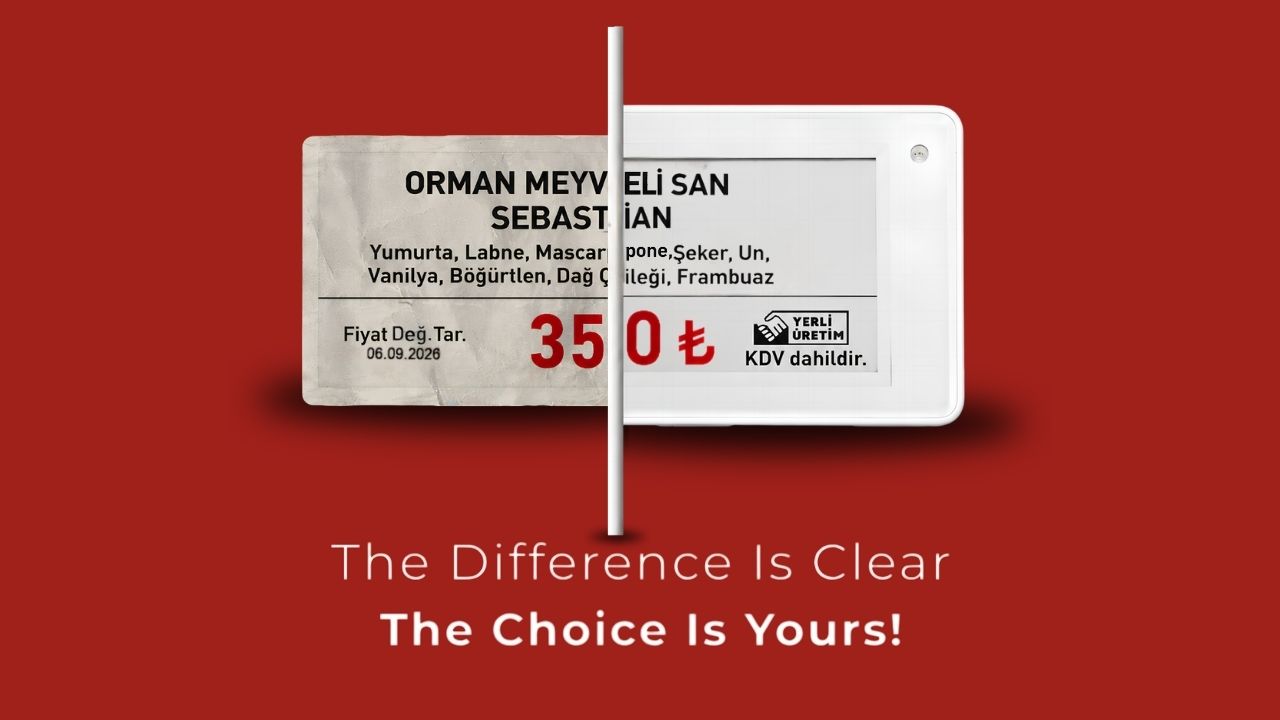
Two Systems, Two Different Approaches
Paper labels are the traditional method of displaying price information on
printed paper; they're reprinted and manually placed on the shelf every
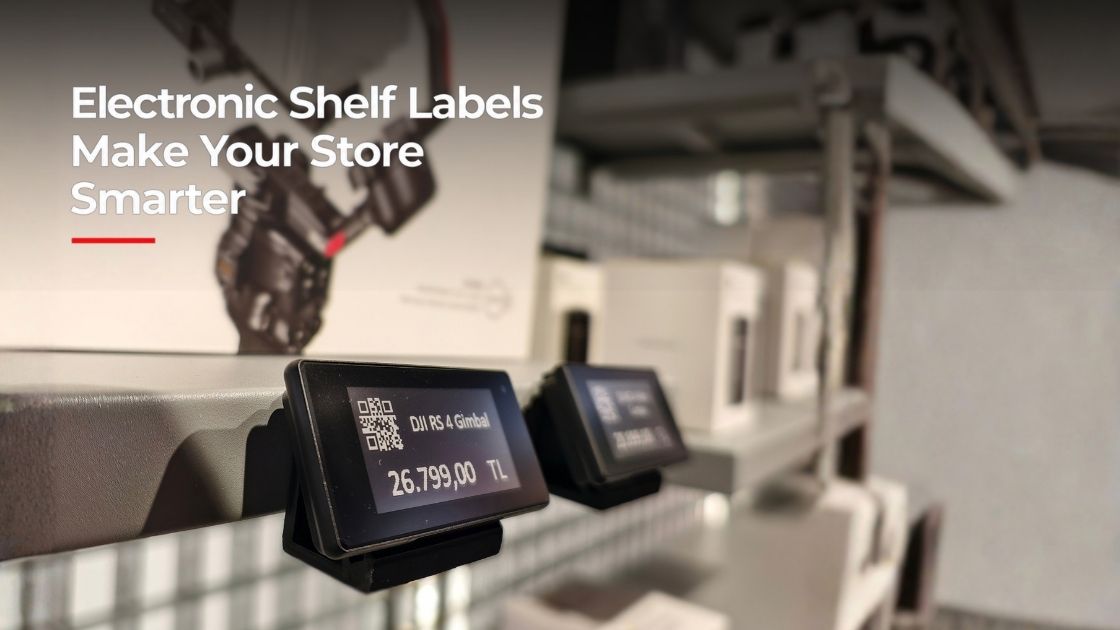
time a price changes. Electronic shelf labels (ESL), on the other hand,
display the same information on digital e-ink screens and are updated
wirelessly from a central system. The difference isn't just in appearance —
it shows up directly in a business's daily operational workload.
In short: one operates on "manual, repetitive work," the other on "a system
that's set up once and runs itself."
02 · Paper Labels
Pros and Cons of Paper Labels
Pro: No extra hardware needed
Can be applied right away — though this convenience comes bundled with the recurring costs below.
Con: Ongoing operational workload
Every price change requires reprinting, cutting, and manually placing new labels on the shelf.
Con: Risk of human error
Incorrect pricing or forgotten updates can lead to legal issues and damage customer trust.
03 · Electronic Shelf Labels
Pros and Cons of ESL
Pro: Instant updates
Price changes are reflected across all shelves simultaneously, within seconds.
Pro: Zero human error
Since prices come directly from your ERP/POS system, manual entry mistakes are eliminated.
Pro: Pays for itself over time
Savings on paper, printing, and staff time mean the investment returns itself in a reasonably short period.
Worth planning for: Installation planning
Setting up the system requires a site survey and sizing; done right, the rollout proceeds smoothly.
04 · The Long-Term View
How Should You Think About Cost?
Paper labels may look cheap in the short run, but recurring expenses —
printing, cutting, distribution, and staff time — add up over time. ESL
begins with a setup investment; however, with paper and printing costs
eliminated, error-driven losses reduced, and staff time freed up for other
tasks, total cost generally becomes more favorable than paper labels over
the medium term.
You can request a current price quote to see the payback period specific to
your business.
05 · Which One Fits You?
Which Business Should Choose Which?
✓
Small businesses with few products — Switching to ESL early avoids the operational workload that builds up as the product range grows.
✓
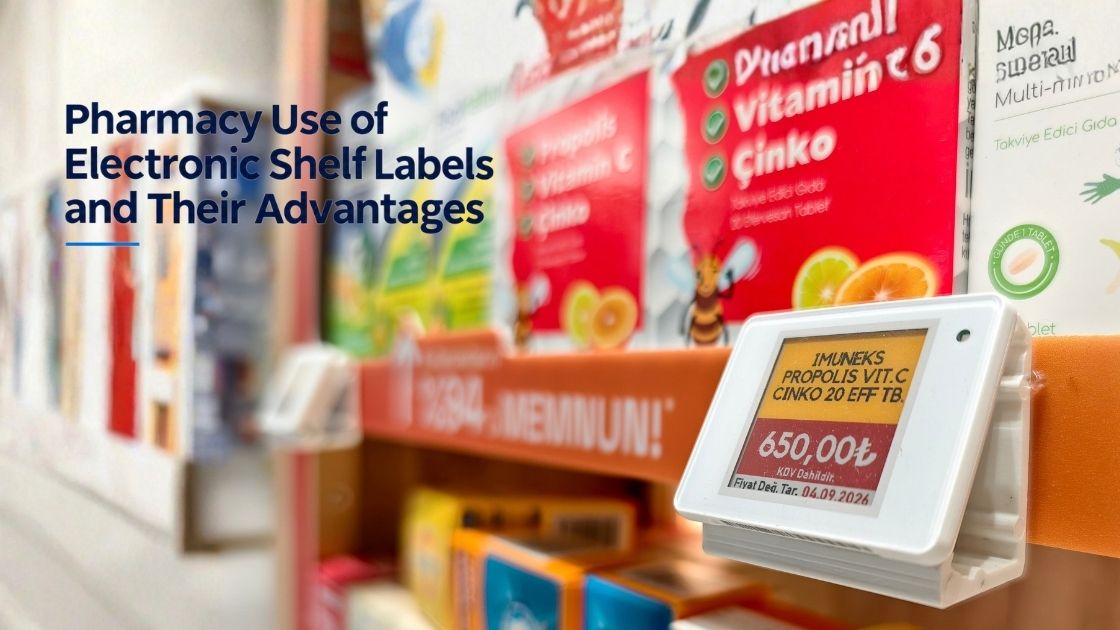
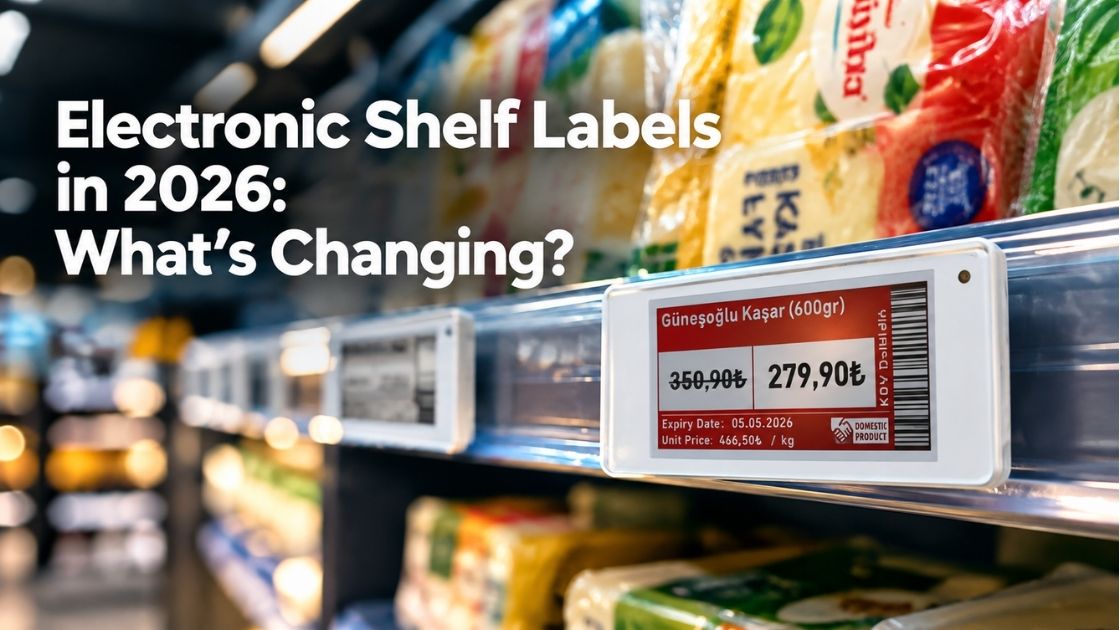
Businesses with frequent price changes — In sectors like grocery, pharmacy, and fuel, ESL offers a real advantage in time and accuracy.
✓
Multi-branch businesses — For chains that need centralized management, ESL significantly simplifies operations.
What You Get by Working with RF-Paper
Nationwide technical support in Turkey
Fast installation process
Multi-branch management panel
Spare parts in stock in Turkey
06 · FAQ
Frequently Asked Questions
Yes, digital screens replace the paper labels on your shelves; the
transition can also be planned in stages.
This depends on the number of labels, how often prices change, and
your current printing costs; you'll need to request a quote for exact
figures.
Yes — starting small makes installation simpler and faster, and the
system can be expanded on the same infrastructure as your business grows.
No, installation follows a planned process and is completed while
your store continues normal operations.
Let's Determine the Right System for Your Business
Let us assess your store size and needs to offer you the most suitable
electronic shelf label package.